
 By Abdullah Bajwa
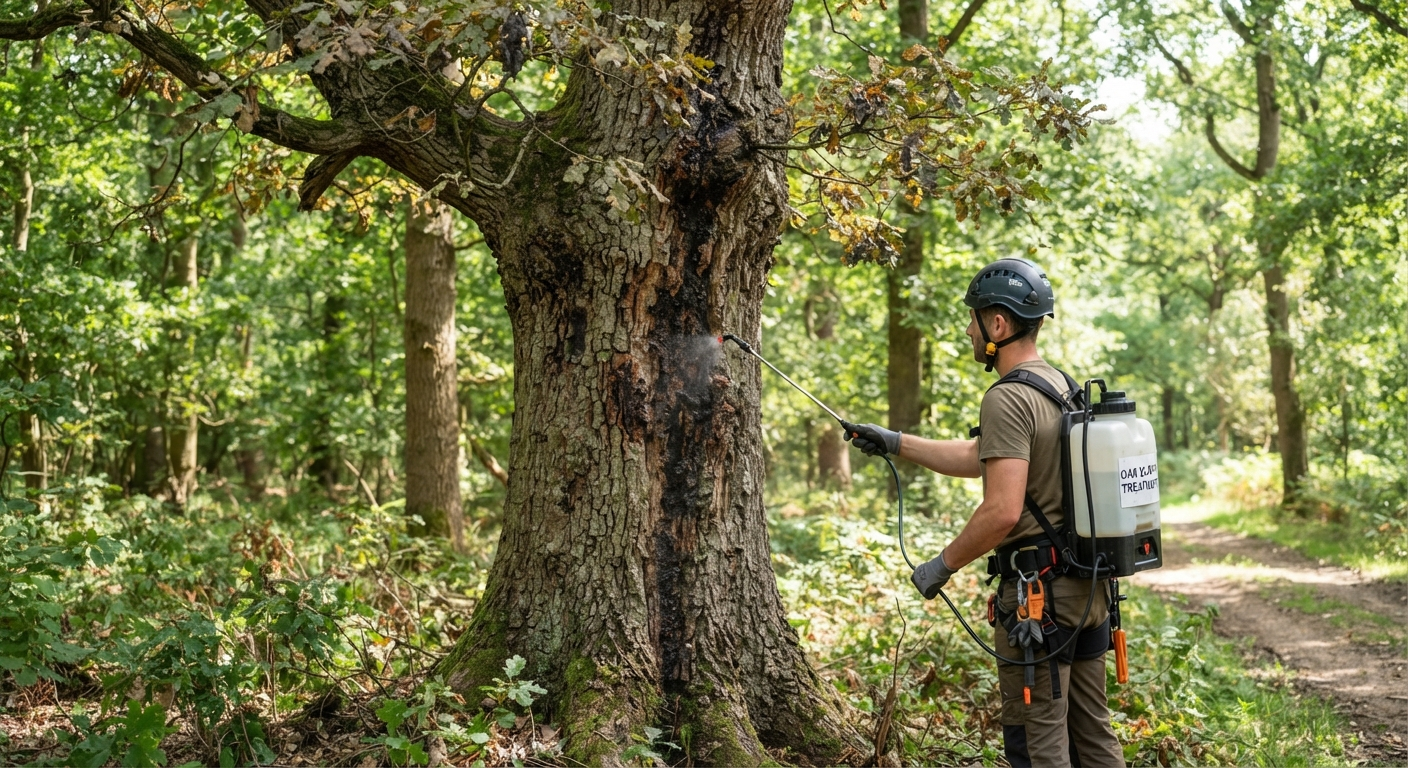
Oak trees are known for their strength, beauty, and long lifespan. They provide shade, support wildlife, and add value to residential landscapes. But even a mature, healthy-looking oak can develop problems when disease starts affecting its leaves, branches, or internal tissues.
If you’ve noticed brown leaves, unusual discoloration, wilting, or branches dying earlier than expected, oak blight could be the reason.
Finding the right oak blight treatment starts with understanding what’s happening to the tree. Several diseases can produce similar symptoms, and treating the wrong problem may waste time and money. Here’s what homeowners across the United States should know about identifying oak diseases and managing them properly.
What Is Oak Blight?
Oak blight is a general term people sometimes use when describing diseases that cause browning, wilting, and damage to oak foliage. One serious disease associated with these symptoms is oak wilt, a fungal infection caused by Bretziella fagacearum.
The fungus affects the tree’s water-conducting tissues, making it difficult for moisture to travel from the roots to the leaves. As the infection progresses, foliage begins to discolor, branches die, and the entire tree may eventually decline.
Oak wilt is particularly dangerous for red oak species, which can die within weeks or months after infection. White oaks generally show slower disease progression.
Other conditions, including bacterial leaf scorch, anthracnose, and Tubakia leaf spot, can also cause oak leaves to turn brown. That’s why proper identification matters.
Common Signs That Your Oak Tree Needs Treatment
Recognizing symptoms early gives you a better chance of protecting nearby trees and managing the damage.
Watch for these common warning signs:
- Brown leaf edges: Leaf margins become brown or bronze, sometimes spreading toward the center.
- Sudden leaf drop: Infected oak trees may lose leaves during summer while they are still partially green.
- Branch dieback: Individual branches begin drying out, often starting near the upper canopy.
- Wilting foliage: Leaves appear dull, droopy, or unusually discolored.
- Reduced growth: New leaves and shoots may become smaller or weaker.
- Unusual bark changes: Some infected red oaks develop fungal mats beneath the bark.
These symptoms don’t automatically confirm oak wilt. Drought, root damage, insects, and other diseases can create similar problems.
Oak Blight Treatment: Start With Proper Diagnosis
Before applying fungicides or removing branches, determine which disease is affecting your tree.
A certified arborist or university plant diagnostic laboratory can examine symptomatic branches and recommend appropriate testing.
In the United States, homeowners can also contact their local Cooperative Extension office for guidance. Many state universities offer plant disease diagnostic services.
A proper diagnosis helps determine whether the tree needs pruning, professional treatment, improved growing conditions, or removal.
Oak Blight Treatment Options That Actually Help
The right treatment depends on the disease, its severity, and the oak species involved.
Here are some important management approaches:
1. Professional Fungicide Injections
For confirmed oak wilt, systemic fungicide injections containing propiconazole may help protect valuable, healthy trees and certain trees in the very early stages of infection.
These treatments are generally administered by trained professionals. They are not a guaranteed cure, and their effectiveness depends on timing, tree condition, and oak species.
2. Remove Severely Infected Trees
When a red oak has advanced oak wilt, recovery is unlikely. Removing infected trees before fungal spore mats develop can help reduce the risk of spreading the disease.
However, removal alone may not solve the problem because the fungus can travel between neighboring oaks through connected root systems.
3. Manage Root Connections
Oak wilt can spread underground through natural root grafts between nearby trees.
Professional arborists may recommend mechanical trenching to interrupt these connections. The placement and depth of the barrier depend on local soil conditions and tree spacing.
4. Improve Overall Tree Health
Good maintenance won’t cure an infected tree, but it can help reduce additional stress.
Consider these practices:
- Water during prolonged dry periods.
- Apply mulch around the root zone without piling it against the trunk.
- Avoid unnecessary root disturbance.
- Remove dead or damaged branches when appropriate.
- Protect the trunk from lawn equipment injuries.
Oak Blight Treatment: Understanding Different Oak Diseases
Not every case of brown oak leaves requires the same solution. The following table highlights some common diseases and their management approaches.
| Disease | Common Symptoms | Management |
|---|---|---|
| Oak wilt | Wilting, bronze leaves, early leaf drop | Fungicide protection, root barriers, sanitation |
| Bacterial leaf scorch | Brown leaf margins and gradual branch decline | Stress reduction and professional management |
| Oak anthracnose | Brown patches between leaf veins | Dormant-season pruning and, when warranted, fungicides |
| Tubakia leaf spot | Brown spots and leaf discoloration | Reduce stress and manage fallen infected foliage |
Bacterial leaf scorch has no established cure. Professional antibiotic injections may temporarily relieve symptoms in some cases, but they do not eliminate the infection.
Oak Blight Treatment: How to Prevent Future Infections
Prevention is especially important in areas where oak wilt is established, including parts of the Midwest, Texas, and the eastern United States.
A few simple habits can make a meaningful difference.
- Avoid unnecessary pruning during risky months: Follow your state’s oak wilt guidance. Many regions recommend pruning during winter dormancy.
- Protect fresh wounds: If storm damage or accidental injury occurs during the growing season, promptly protect the wound according to local Extension recommendations.
- Don’t transport infected firewood: Moving untreated oak wood can introduce disease into new areas.
- Clean pruning equipment: Sanitize tools between cuts when managing diseased material.
- Inspect nearby trees: Watch for early symptoms, particularly during summer.
When Should You Call a Professional?
If an oak suddenly loses leaves during summer, develops widespread branch dieback, or shows symptoms that are getting worse, don’t wait for the next growing season.
Contact a certified arborist familiar with oak diseases. Ask about laboratory confirmation, available treatment options, and whether neighboring trees may be at risk.
Early professional assessment can make a significant difference, especially when valuable landscape trees are involved.
Final Thoughts on Oak Blight Treatment
Finding the right oak blight treatment isn’t simply about choosing a fungicide. It’s about identifying the actual disease, understanding how it spreads, and taking action before more trees become affected.
Some oak diseases can be managed with routine care, while others, particularly oak wilt, require professional intervention and careful prevention measures. Keep an eye on your trees, avoid unnecessary injuries, and seek expert advice when symptoms appear.
A little attention today can help protect the health and beauty of your landscape for years to come.