
 By Abdullah Bajwa
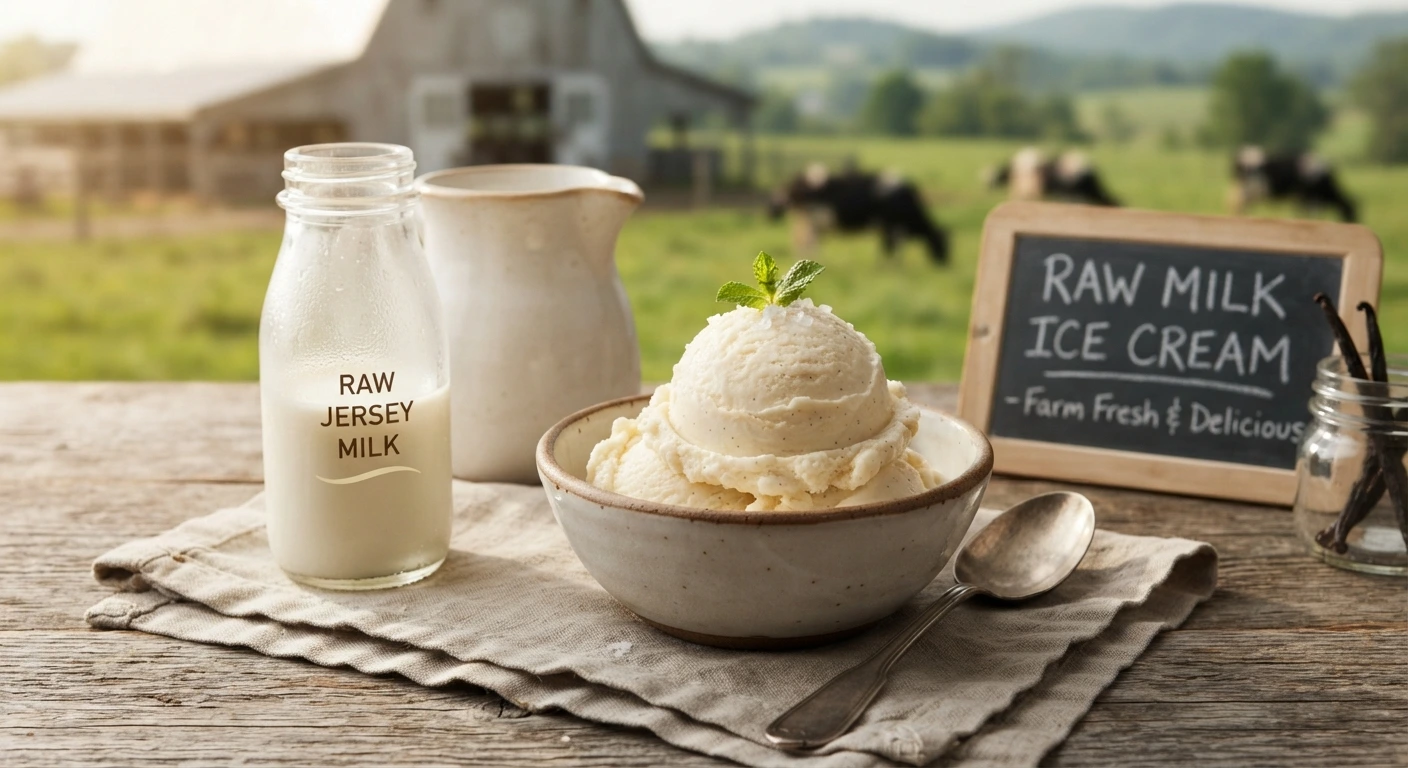
Ice cream is one of those treats that almost everyone enjoys. Whether it’s a hot summer afternoon or a quiet evening at home, a scoop of creamy vanilla ice cream can make the moment better. But recently, raw milk ice cream has attracted attention among people interested in traditional dairy products, farm-fresh ingredients, and homemade desserts.
So, what makes it different from regular ice cream? Does it taste different, and is it actually safe to eat? There are a few important things worth understanding before trying it.
What Is Raw Milk Ice Cream?
Raw milk ice cream is a frozen dairy dessert traditionally prepared using milk that has not undergone pasteurization. Pasteurization is a heating process used to destroy harmful microorganisms that may be present in milk.
People interested in traditional food preparation sometimes prefer raw dairy because they appreciate its farm-to-table origins and less processed character.
However, raw milk is not necessarily safer, healthier, or more nutritious than pasteurized milk. The FDA and CDC recommend choosing pasteurized dairy products because unpasteurized milk can carry disease-causing bacteria.
Traditional ingredients used in ice cream include:
- Whole milk
- Heavy cream
- Sugar
- Vanilla extract
- Egg yolks (depending on the recipe)
- Optional ingredients such as strawberries, chocolate, or nuts
The combination creates a rich, smooth dessert with a familiar creamy texture.
Why Has Raw Milk Ice Cream Become Popular?
Interest in traditional food preparation has grown in recent years. Consumers are paying closer attention to where their food comes from and how everyday products are manufactured.
Raw milk ice cream is sometimes associated with small dairy farms, homemade recipes, and traditional desserts.
Some reasons people search for it include:
- Traditional preparation: An interest in older dairy-making methods.
- Farm-fresh ingredients: Curiosity about locally sourced milk and cream.
- Homemade desserts: People enjoy experimenting with different ice cream recipes.
- Flavor exploration: Consumers want to understand how different dairy ingredients affect taste and texture.
But popularity doesn’t automatically mean a product is safe. Raw milk can contain harmful germs even when it comes from a clean-looking farm.
Raw Milk Ice Cream vs. Regular Ice Cream
One of the biggest differences is the treatment of the milk before it becomes ice cream.
Regular commercially produced ice cream generally uses pasteurized milk and cream. Raw milk ice cream, by definition, uses unpasteurized milk.
Here’s a simple comparison:
| Feature | Raw Milk Ice Cream | Regular Ice Cream |
|---|---|---|
| Milk preparation | Unpasteurized | Usually pasteurized |
| Texture | Depends on the recipe | Depends on the recipe |
| Flavor | Depends on milk and ingredients | Depends on milk and ingredients |
| Food safety | Higher risk from harmful germs | Lower risk when properly produced |
| Availability | Limited and location-dependent | Widely available |
It’s worth remembering that texture and flavor aren’t guaranteed by whether milk is raw or pasteurized. Ingredients, fat content, freezing methods, and the recipe all matter.
Is Raw Milk Ice Cream Safe to Eat?
This is probably the most important question.
According to the U.S. Food and Drug Administration (FDA), unpasteurized milk can contain harmful bacteria, including:
- Salmonella
- E. coli
- Listeria
- Campylobacter
These microorganisms can cause foodborne illnesses. Symptoms may include diarrhea, stomach cramps, vomiting, and fever. In some cases, infections can become serious.
And freezing doesn’t make contaminated milk safe. Raw milk ice cream can still carry harmful microorganisms after it has been frozen.
The CDC recommends choosing pasteurized milk and dairy products. This is particularly important for children, pregnant women, older adults, and people with weakened immune systems.
A safer choice: Enjoy homemade ice cream made with pasteurized milk and cream. You can still achieve a rich, traditional flavor without taking the unnecessary risks associated with unpasteurized dairy.
How to Make Homemade Ice Cream More Safely
You don’t need raw milk to make delicious homemade ice cream. A few basic ingredients and the right preparation method can produce a creamy dessert.
Here’s a simple approach:
- Combine pasteurized whole milk, heavy cream, and sugar.
- Add vanilla extract for flavor.
- If your recipe includes eggs, use pasteurized eggs or prepare a properly cooked custard base.
- Refrigerate the mixture until thoroughly chilled.
- Pour it into an ice cream maker and follow the manufacturer’s instructions.
- Transfer the finished ice cream into a clean, covered freezer-safe container.
For recipes using an egg-based custard, the USDA and FDA recommend appropriate cooking practices. A cooked egg base should reach 160°F to reduce the risk of Salmonella from eggs.
Keep the finished dessert frozen and avoid leaving it at room temperature for extended periods.
Raw Milk Ice Cream: What Should You Check Before Buying?
If you’re researching specialty ice cream products in the United States, reading the label is important.
Pay attention to:
- Whether the milk and cream are pasteurized.
- The ingredient list and allergen information.
- Storage and refrigeration instructions.
- The manufacturer’s food safety information.
- Local rules governing the sale of raw dairy products.
The FDA prohibits interstate commercial sales of raw milk, although state laws differ regarding certain intrastate sales.
Final Thoughts on Raw Milk Ice Cream
Raw milk ice cream has become an interesting topic for people exploring traditional dairy foods and homemade desserts. Its connection to farm-fresh ingredients makes it appealing to some consumers, but the food safety concerns shouldn’t be overlooked.
The good news? You don’t have to sacrifice a creamy, delicious dessert to make a safer choice. Pasteurized milk, quality cream, fresh ingredients, and a good ice cream recipe can deliver excellent results.
Whether you’re buying ice cream from a local shop or making a batch at home, understanding the ingredients and choosing pasteurized dairy is a sensible way to enjoy this classic frozen treat.